Giardiasis


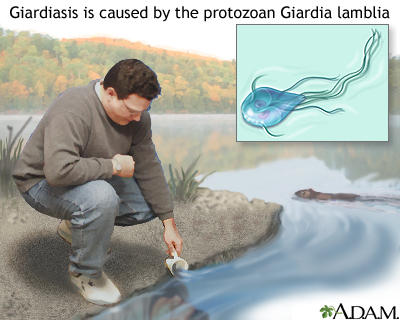
Giardiasis, an illness that affects the digestive tract, is caused by a microscopic parasite called Giardia lamblia. The parasite attaches itself to the lining of the small intestines in humans, where it sabotages the body's absorption of fats and carbohydrates from digested foods.

Giardia is one of the chief causes of diarrhea in the United States, and is transmitted through contaminated water. It can survive the normal amounts of chlorine used to purify community water supplies, and can live for more than 2 months in cold water. As few as 10 of the microscopic parasites in a glass of water can cause a severe case of giardiasis in a human being who drinks it.

Young kids are three times more likely to have giardiasis than adults, which leads some experts to believe that our bodies gradually develop some form of immunity to the parasite as we grow older. But it isn't unusual for an entire family to have giardiasis, with some family members having diarrhea, some just crampy abdominal pains, and others with few or no symptoms.

Signs and Symptoms

It's estimated that between 1% and 20% of the U.S. population has giardiasis, and this figure may be 20% or higher in developing countries, where giardiasis is a major cause of epidemic childhood diarrhea. But more than two thirds of people who are infected may have no signs or symptoms of illness, even though the parasite is living in their intestines.

When the parasite does cause symptoms, the illness usually begins with severe watery diarrhea, without blood or mucus. Giardiasis affects the body's ability to absorb fats from the diet, so the diarrhea contains unabsorbed fats. That means that the diarrhea floats, is shiny, and smells very bad.

Other symptoms include:

  • abdominal cramps
  • large amounts of intestinal gas
  • an enlarged belly from the gas
  • loss of appetite
  • nausea and vomiting
  • sometimes a low-grade fever

These symptoms may last for 5 to 7 days or longer. If they last longer, a child may lose weight or show other signs of poor nutrition.

Sometimes, after acute (or short-term) symptoms of giardiasis pass, the disease begins a chronic (or more prolonged) phase.

Symptoms of chronic giardiasis include:

  • periods of intestinal gas
  • abdominal pain in the area above the navel
  • poorly formed, "mushy" bowel movements (poop)

Prevention

Here are some ways to protect your family from giardiasis:

  • Drink only from water supplies that have been approved by local health authorities.
  • Bring your own water when you go camping or hiking, instead of drinking from sources like mountain streams.
  • Wash raw fruits and vegetables well before you eat them.
  • Wash your hands well before you cook food for yourself or for your family.
  • Encourage your kids to wash their hands after every trip to the bathroom and especially before eating. If someone in your family has giardiasis, wash your hands often as you care for him or her.
  • Have your kids wash their hands well after handling anything in "touch tanks" in aquariums, a potential source of giardiasis.
  • Have your water checked on a regular basis if it comes from a well.

Also, it's questionable whether infants and toddlers still in diapers should be sharing public pools. But certainly they should not if they're having diarrhea or loose stools (poop).

Contagiousness

People and animals (mainly dogs and beavers) who have giardiasis can pass the parasite in their stool. The stool can then contaminate public water supplies, community swimming pools, and "natural" water sources like mountain streams. Uncooked foods that have been rinsed in contaminated water may also spread the infection.

In child-care centers or any facility caring for a group of people, giardiasis can easily pass from person to person. At home, an infected family dog with diarrhea may pass the parasite to human family members who take care of the sick animal.

Diagnosis

Doctors confirm the diagnosis of giardiasis by taking stool samples and sending them to the lab to be examined for Giardia parasites. Several samples may be needed before the parasites are found.

For that reason the doctor may order a much more sensitive test called the Enzyme-Linked ImmunoSorbent Assay or ELISA test.

Less often, doctors make the diagnosis by looking at the lining of the small intestine with an instrument called an endoscope and taking samples from inside the intestine to be sent to a laboratory. This is done in more extreme cases, when a definite cause for the diarrhea hasn't been found.

Treatment

Giardiasis is treated with prescription medicines that kill the parasites. Treatment typically takes 5 to 7 days, and the medicine is usually given as a liquid that your child can drink. Some of these medicines may have side effects, so your doctor will tell you what to watch for.

If your child has giardiasis and your doctor has prescribed medication, be sure to give all doses on schedule for as long as your doctor directs. This will help your child recover faster and will kill parasites that might infect others in your family. Again, encourage all family members to wash their hands frequently, especially after using the bathroom and before eating.

A child who has diarrhea from giardiasis may lose too much fluid in the stool and become dehydrated. Make sure the child drinks plenty of fluids but no caffeinated beverages, because they make the body lose water faster.

Ask the doctor before you give your child any nonprescription drugs for cramps or diarrhea because these medicines may mask symptoms and interfere with treatment.

Duration

The incubation period for giardiasis is 1 to 3 weeks after exposure to the parasite. In most cases, treatment with 5 to 7 days of antiparasitic medication will help kids recover within a week's time. Medication also shortens the time that they're contagious. If giardiasis isn't treated, symptoms can last up to 6 weeks or longer.

When to Call the Doctor

Call the doctor whenever your child has:

  • large amounts of diarrhea, especially if he or she also has a fever and/or abdominal pain
  • occasional, small episodes of diarrhea that continue for several days, especially if appetite is poor, and your child is either gradually losing weight or isn't gaining as much as expected
Cough

Chugging cough medicine for an instant high certainly isn't a new practice for teens, who have raided the medicine cabinet for a quick, cheap, and legal high for decades. But unfortunately, this dangerous, potentially deadly practice is on the rise.

So it's important for parents to understand the risks and know how to prevent their kids from intentionally overdosing on cough and cold medicine.

Why Do Kids Abuse Cough and Cold Remedies?

Before the U.S. Food and Drug Administration (FDA) replaced the narcotic codeine with dextromethorphan as an over-the-counter (OTC) cough suppressant in the 1970s, teens were simply guzzling down cough syrup for a quick buzz.

Over the years, teens discovered that they still could get high by taking large doses of any OTC medicine containing dextromethorphan (also called DXM).

Dextromethorphan-containing products — tablets, capsules, gel caps, lozenges, and syrups — are labeled DM, cough suppressant, or Tuss (or contain "tuss" in the title).

Medicines containing dextromethorphan are easy to find, affordable for cash-strapped teens, and perfectly legal. Getting access to the dangerous drug is often as easy as walking into the local drugstore with a few dollars or raiding the family medicine cabinet. And because it's found in over-the-counter medicines, many teens naively assume that DXM can't be dangerous.

Then and Now

DXM abuse is on the rise, according to recent studies, and easy access to OTC medications in stores and over the Internet could be contributing to the increase.

The major difference between current abuse of cough and cold medicines and that in years past is that teens now use the Internet to not only buy DXM in pure powder form, but to learn how to abuse it. Because drinking large volumes of cough syrup causes vomiting, the drug is being extracted from cough syrups and sold on the Internet in a tablet that can be swallowed or a powder that can be snorted. Online dosing calculators even teach abusers how much they'll need to take for their weight to get high.

One way teens get their DXM fixes is by taking "Triple-C" — Coricidin HBP Cough and Cold — which contains 30 mg of DXM in little red tablets. Users taking large volumes of Triple-C run additional health risks because it contains an antihistamine as well.

The list of other ingredients — decongestants, expectorants, and pain relievers — contained in other Coricidin products and OTC cough and cold preparations compound the risks associated with DXM and could lead to a serious drug overdose.

Besides Triple-C, other street names for DXM include: Candy, C-C-C, Dex, DM, Drex, Red Devils, Robo, Rojo, Skittles, Tussin, Velvet, and Vitamin D. Users are sometimes called "syrup heads" and the act of abusing DXM is often called "dexing," "robotripping," or "robodosing" (because users chug Robitussin or another cough syrup to achieve their desired high).

What Happens When Teens Abuse DXM?

Although DXM can be safely taken in 15- to 30-milligram doses to suppress a cough, abusers tend to consume as much as 360 milligrams or more. Taking mass quantities of products containing DXM can cause hallucinations, loss of motor control, and "out-of-body" (disassociative) sensations.

Other possible side effects of DXM abuse include: confusion, impaired judgment, blurred vision, dizziness, paranoia, excessive sweating, slurred speech, nausea, vomiting, abdominal pain, irregular heartbeat, high blood pressure, headache, lethargy, numbness of fingers and toes, facial redness, dry and itchy skin, loss of consciousness, seizures, brain damage, and even death.

When consumed in large quantities, DXM can also cause hyperthermia, or high fever. This is a real concern for teens who take DXM while in a hot environment or while exerting themselves at a rave or dance club, where DXM is often sold and passed off as similar-looking drugs like PCP. And the situation becomes even more dangerous if these substances are used with alcohol or another drug.

Being on the Lookout

You can help prevent your teen from abusing over-the-counter medicines. Here's how:

  • Lock your medicine cabinet or keep those OTC medicines that could potentially be abused in a less accessible place.
  • Avoid stockpiling OTC medicines. Having too many at your teen's disposal could make abusing them more tempting.
  • Keep track of how much is in each bottle or container in your medicine cabinet.
  • Keep an eye out not only for traditional-looking cough and cold remedies in your teen's room, but also strange-looking tablets (DXM is often sold on the Internet and on the street in its pure form in various shapes and colors).
  • Watch out for the possible warning signs of DXM abuse listed above.
  • Monitor your child's Internet usage. Be on the lookout for suspicious websites and emails that seem to be promoting the abuse of DXM or other drugs, both legal and illegal.

Above all, talk to your kids about drug abuse and explain that even though taking lots of a cough or cold medicine seems harmless, it's not. Even when it comes from inside the family medicine cabinet or the corner drugstore, when taken in large amounts DXM is a drug that can be just as deadly as any sold on a seedy street corner. And even if you don't think your teens are doing it, chances are they know kids who are.

Scarlet Fever


Scarlet fever is caused by an infection with group A streptococcus bacteria. The bacteria make a toxin (poison) that can cause the scarlet-colored rash from which this illness gets its name.

Not all streptococci bacteria make this toxin and not all kids are sensitive to it. Two kids in the same family may both have strep infections, but one child (who is sensitive to the toxin) may develop the rash of scarlet fever while the other may not. Usually, if a child has this scarlet rash and other symptoms of strep throat, it can be treated with antibiotics. So if your child has these symptoms, it's important to call your doctor.

Symptoms of Scarlet Fever

The rash is the most striking sign of scarlet fever. It usually begins looking like a bad sunburn with tiny bumps and it may itch. The rash usually appears first on the neck and face, often leaving a clear unaffected area around the mouth. It spreads to the chest and back, then to the rest of the body. In body creases, especially around the underarms and elbows, the rash forms classic red streaks. Areas of rash usually turn white when you press on them. By the sixth day of the infection the rash usually fades, but the affected skin may begin to peel.

Aside from the rash, there are usually other symptoms that help to confirm a diagnosis of scarlet fever, including a reddened sore throat, a fever above 101° Fahrenheit (38.3° Celsius), and swollen glands in the neck. The tonsils and back of the throat may be covered with a whitish coating, or appear red, swollen, and dotted with whitish or yellowish specks of pus. Early in the infection, the tongue may have a whitish or yellowish coating. A child with scarlet fever also may have chills, body aches, nausea, vomiting, and loss of appetite.

When scarlet fever occurs because of a throat infection, the fever typically stops within 3 to 5 days, and the sore throat passes soon afterward. The scarlet fever rash usually fades on the sixth day after sore throat symptoms began, but skin that was covered by rash may begin to peel. This peeling may last 10 days. With antibiotic treatment, the infection itself is usually cured with a 10-day course of antibiotics, but it may take a few weeks for tonsils and swollen glands to return to normal.

In rare cases, scarlet fever may develop from a streptococcal skin infection like impetigo. In these cases, the child may not get a sore throat.

Preventing Scarlet Fever

The bacterial infection that causes scarlet fever is contagious. A child who has scarlet fever can spread the bacteria to others through nasal and throat fluids by sneezing and coughing. If a child has a skin infection caused by strep bacteria, like impetigo, it can be passed through contact with the skin.

In everyday life, there is no perfect way to avoid the infections that cause scarlet fever. When a child is sick at home, it's always safest to keep that child's drinking glasses and eating utensils separate from those of other family members, and to wash these items thoroughly in hot soapy water. Wash your own hands frequently as you care for a child with a strep infection.

Treating Scarlet Fever

If your child has a rash and the doctor suspects scarlet fever, he or she will usually take a throat culture (a painless swab of throat secretions) to see if the bacteria grow in the laboratory. Once a strep infection is confirmed, the doctor will likely prescribe an antibiotic for your child to be taken for about 10 days.

Caring for a Child With Scarlet Fever

A child with severe strep throat may find that eating is painful, so providing soft foods or a liquid diet may be necessary. Include soothing teas and warm nutritious soups, or cool soft drinks, milkshakes, and ice cream. Make sure that the child drinks plenty of fluids.

Use a cool-mist humidifier to add moisture to the air, since this will help soothe the sore throat. A moist warm towel may help to soothe swollen glands around your child's neck.

If the rash itches, make sure that your child's fingernails are trimmed short so skin isn't damaged through scratching.

When to Call the Doctor

Call the doctor whenever your child suddenly develops a rash, especially if it is accompanied by a fever, sore throat, or swollen glands. This is especially important if your child has any of the symptoms of strep throat, or if someone in your family or in your child's school has recently had a strep infection.

Polio

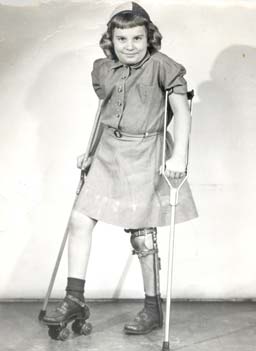
Polio (also called poliomyelitis) is a contagious, historically devastating disease that was virtually eliminated from the Western hemisphere in the second half of the 20th century. Although polio has plagued humans since ancient times, its most extensive outbreak occurred in the first half of the 1900s before the vaccination, created by Jonas Salk, became widely available in 1955.

At the height of the polio epidemic in 1952, nearly 60,000 cases with more than 3,000 deaths were reported in the United States alone. However, with widespread vaccination, wild-type polio, or polio occurring through natural infection, was eliminated from the United States by 1979 and the Western hemisphere by 1991.

Signs and Symptoms

Polio is a viral illness that, in about 95% of cases, actually produces no symptoms at all (called asymptomatic polio). In the 4% to 8% of cases in which there are symptoms (called symptomatic polio), the illness appears in three forms:

  • a mild form called abortive polio (most people with this form of polio may not even suspect they have it because their sickness is limited to mild flu-like symptoms such as mild upper respiratory infection, diarrhea, fever, sore throat, and a general feeling of being ill)
  • a more serious form associated with aseptic meningitis called nonparalytic polio (1% to 5% show neurological symptoms such as sensitivity to light and neck stiffness)
  • a severe, debilitating form called paralytic polio (this occurs in 0.1% to 2% of cases)

People who have abortive polio or nonparalytic polio usually make a full recovery. However, paralytic polio, as its name implies, causes muscle paralysis - and can even result in death. In paralytic polio, the virus leaves the intestinal tract and enters the bloodstream, attacking the nerves (in abortive or asymptomatic polio, the virus usually doesn't get past the intestinal tract). The virus may affect the nerves governing the muscles in the limbs and the muscles necessary for breathing, causing respiratory difficulty and paralysis of the arms and legs.

Contagiousness

Polio is transmitted primarily through the ingestion of material contaminated with the virus found in stool (poop). Not washing hands after using the bathroom and drinking contaminated water were common culprits in the transmission of the disease.

Prevention

In the United States, it's currently recommended that children have four doses of inactivated polio vaccination (IPV) between the ages of 2 months and 6 years.

By 1964, the oral polio vaccine (OPV), developed by Albert Sabin, had become the recommended vaccine. OPV allowed large populations to be immunized because it was easy to administer, and it provided "contact" immunization, which means that an unimmunized person who came in contact with a recently immunized child might become immune, too. The problem with OPV was that, in very rare cases, paralytic polio could develop either in immunized children or in those who came in contact with them.

Since 1979 (when wild polio was eliminated in the United States), the approximately 10 cases per year of polio seen in this country were traced to OPV.

IPV is a vaccine that stimulates the immune system of the body (through production of antibodies) to fight the virus if it comes in contact with it. IPV cannot cause polio.

In an effort to eradicate all polio, including those cases associated with the vaccine, the Centers for Disease Control and Prevention (CDC) decided to make IPV the only vaccine given in the United States. Currently, the CDC and American Academy of Pediatrics (AAP) recommend three spaced doses of IPV given before the age of 18 months, and an IPV booster given between the ages of 4 to 6, when children are entering school.

If you're planning to travel outside the United States, particularly to Africa and Asia (where polio still exists), be sure that you and your child have received a complete set of polio vaccinations.

Duration

Although the acute illness usually lasts less than 2 weeks, damage to the nerves could last a lifetime. In the past, some patients with polio never regained full use of their limbs, which would appear withered. Those who did fully recover might go on to develop post-polio syndrome (PPS) as many as 30 to 40 years after contracting polio. In PPS, the damage done to the nerves during the disease causes an acceleration of the normal, gradual weakness due to aging.

Treatment

In the height of the polio epidemic, the standard treatment involved placing a patient with paralysis of the breathing muscles in an "iron lung" - a large machine that actually pushed and pulled the chest muscles to make them work. The damaged limbs were often kept immobilized because of the confinement of the iron lung. In countries where polio is still a concern, ventilators and some iron lungs are still used.

Historically, home treatment for paralytic polio and abortive polio with neurological symptoms wasn't sufficient. However, asymptomatic and mild cases of abortive polio with no neurological symptoms were usually treated like the flu, with plenty of fluids and bed rest.

The Future of Polio

The World Health Organization (WHO) is working toward eradicating polio throughout the world. Significant strides have already been made. In 1988, 355,000 cases of polio in 125 countries were reported. By the end of 2004, there were just 1,255 cases.

Six countries (Afghanistan, Egypt, India, Niger, Nigeria, and Pakistan) still have polio circulating, and the virus could be introduced to other countries. If the polio virus is imported into a country where not enough people have been immunized, there's the risk that it could spread from person to person. That's what has happened in some countries in Africa and Asia. So until it has been eliminated worldwide, it's important to continue vaccinating kids against polio.

Tuberculosis


Tuberculosis (popularly known as "TB") is a disease caused by the bacteria Mycobacterium tuberculosis. It mainly infects the lungs, although it can affect other organs as well.

When someone with untreated TB coughs or sneezes, the air is filled with droplets containing the bacteria. Inhaling these infected droplets is the usual way a person gets TB.

One of the most dreaded diseases of the 19th century, TB was the eighth leading cause of death in children 1 to 4 years of age during the 1920s. As the general standard of living and medical care improved in the United States, the incidence of TB decreased. By the 1960s, it wasn't even in the top 10 causes of death among children of any age group.

But TB is making a comeback in the United States today — particularly among the homeless, those in prison, and those rendered susceptible because of HIV infection.

Signs and Symptoms

In older infants and children, primary pulmonary tuberculosis (the first infection with the tuberculosis bacteria) usually produces no signs or symptoms, and a chest X-ray shows no signs of infection. Rarely, there may be enlargement of the lymph nodes and possibly some coughing.

In most cases, only a tuberculin skin test (used to figure out if someone has been infected by the tuberculosis bacteria) is positive, indicating that the child has been infected. Children with a positive tuberculin test, even if they show no disease, will usually need to receive medication.

This primary infection usually resolves on its own as a child develops immunity over a 6- to 10-week period. But in some cases, it can progress and spread all over the lungs (called progressive tuberculosis) or to other organs. This causes signs and symptoms such as fever, weight loss, fatigue, loss of appetite, and cough.

Another type of infection is called reactivation tuberculosis. Here, the primary infection has resolved, but the bacteria are dormant, or hibernating. When conditions become favorable (for instance, a lowered immunity), the bacteria become active. Tuberculosis in older kids and adults may be of this type. The most prominent symptom is a persistent fever, with sweating during the night. Fatigue and weight loss may follow. If the disease progresses and cavities form in the lungs, the person may experience coughing and the production of saliva, mucus, or phlegm that may contain blood.

Prevention

The prevention of TB depends on:

  • avoiding contact with those who have the active disease
  • using medications as a preventive measure in high-risk cases
  • maintaining good living standards

New cases and potentially contagious patients are identified through proper use and interpretation of the tuberculin skin test.

A vaccine called BCG (Bacille Calmette-Guérin) is considered controversial because it isn't very effective in countries with a low incidence of TB. For this reason, BCG isn't usually given in the United States. However, it may be considered for kids emigrating to countries where TB is prevalent.

Contagiousness

Tuberculosis is contagious when it's airborne and can be inhaled by others.

In general, children are not considered contagious, and usually get the infection from infected adults. The incubation period (the time it takes for a person to become infected after being exposed) varies from weeks to years, depending on the individual and whether the infection is primary, progressive, or reactivation TB.

Treatment

A doctor may recommend hospitalization for the initial evaluation and treatment of TB, especially if:

  • the child is a young infant
  • there are severe drug reactions
  • there are other diseases along with TB

However, most kids with tuberculosis can be treated as outpatients and cared for at home. The treatment is usually in the form of oral medications. In some cases, three or four drugs may be prescribed.

Even though treatment may require months to complete, it's vitally important that the full course of medications be taken in order for tuberculosis to be cured.

Duration

Tuberculosis is a chronic disease that can persist for years if it isn't treated.

When to You Call the Doctor

Call the doctor if your child:

  • has been in contact with a person who has (or is suspected to have) tuberculosis
  • has persistent fever
  • complains of sweating at night
  • develops a persistent cough that doesn't respond to standard cough medications

Ascariasis


Ascariasis is an intestinal infection caused by a parasitic roundworm. While it is the most common human infection caused by worms in the world, ascariasis is not common in the United States. It occurs in varying prevalence worldwide, with far greater frequency in areas with poor sanitation or crowded living conditions.

Signs and Symptoms

Although no symptoms may occur, the greater the number of worms involved in the infestation, the more severe a child's symptoms are likely to be. Kids are more likely than adults to develop gastrointestinal symptoms because they have smaller intestines and are at greater risk of developing intestinal obstruction.

Symptoms seen with mild infestation include:

  • worms in stool
  • coughing up worms
  • loss of appetite
  • fever
  • wheezing

More severe infestations can result in more serious signs and symptoms, including:

  • vomiting
  • shortness of breath
  • abdominal distention (swelling of the abdomen)
  • severe stomach or abdominal pain
  • intestinal blockage
  • biliary tract blockage (includes the liver and gallbladder)

Description

Ascariasis occurs when worm eggs of the parasite Ascaris lumbricoides commonly found in soil and human feces are ingested. The eggs can be transmitted from contaminated food, drink, or soil. The roundworms range in size from 5.9 to 9.8 inches for adult males and 9.8 to 13.8 inches for adult females. The worms can grow to be as thick as a pencil and can live for 1 to 2 years.

Ascariasis is frequently found in developing countries where sanitary conditions are poor or in areas where human feces are used as fertilizer. When the eggs are swallowed and passed into the intestine, they hatch into larvae. The larvae then begin to move through the body.

Once they get through the intestinal wall, the larvae travel from the liver to the lungs through the bloodstream. During this stage, pulmonary symptoms such as coughing (even coughing up worms) may occur. In the lungs, the larvae climb up through the bronchial tubes to the throat, where they are swallowed. The larvae then return to the small intestine where they grow, mature, mate, and lay eggs. The worms reach maturity about 2 months after an egg is ingested from the soil.

Adult worms live and remain in the small intestine. A female worm can produce up to 240,000 eggs in a day, which are then discharged into the feces and incubate in the soil for weeks. Children are particularly susceptible to ascariasis because they tend to put things in their mouths, including dirt, and they often have poorer hygiene habits than adults.

Ascariasis is common in warmer or tropical climates, particularly in developing nations, where it can affect large segments of the population. Ascariasis is rare in the United States, due to strict sanitation rules and regulations.

Contagiousness

Ascariasis is not spread directly from one person to another. To become infected, an individual has to consume the worm's eggs.

Prevention

The most important measure of protection against ascariasis is the safe and sanitary disposal of human waste, which can transmit eggs. Areas of the world that use human feces as fertilizer must thoroughly cook all foods or clean them with a proper iodine solution (particularly fruits and vegetables).

Children who are adopted from developing nations are frequently screened for worms as a precautionary measure. Kids who live in underdeveloped areas of the world may be prescribed a preventive deworming medication.

These practices are recommended for all children:

  • Try as much as possible to keep kids from putting things in their mouths.
  • Teach kids to wash hands thoroughly and frequently, especially after using the bathroom and before eating.

Professional Treatment

The doctor will usually prescribe antiparasitic medication to be taken orally to kill the intestinal roundworms. Sometimes the stool will be re-examined about 3 weeks after treatment to check for eggs and worms. Symptoms usually disappear within 1 week of starting treatment.

Very rarely, surgical removal of the worms may be necessary (particularly in cases of intestinal or liver-related obstruction, or abdominal infection). A child who has ascariasis should be evaluated for other intestinal parasites, such as pinworm.

Home Treatment

If your child has ascariasis, the medication prescribed should be administered accordingly. To prevent reinfection:

  • Ensure that your child washes his or her hands properly, particularly after using the bathroom and before eating.
  • Have your pets checked for worms regularly.
  • Keep your child's fingernails short and clean.
  • Sterilize any contaminated clothing, pajamas, and bedding.
  • Evaluate the source of the infection. Additional sanitation measures in or around your home may be necessary.

When to Call the Doctor

If your child has any of the symptoms of ascariasis, contact your doctor right away. Stool samples will be sent to a laboratory to check for eggs and worms and confirm the diagnosis.

Call the doctor if symptoms do not improve with treatment or if new symptoms occur.