Warning Signs Of Mesothelioma

http://healthlob.com/wp-content/uploads/2011/05/Mesothelioma-Symptoms-UK.jpg
Mesothelioma is difficult to diagnose because the early signs and symptoms of the disease can be subtle or mistaken. Symptoms are all too frequently ignored or dismissed by people who are inclined to attribute them to common every day ailments. Sometimes patients live with symptoms for up to 6 months before being diagnosed but usually the symptoms are present for two to three months prior to a mesothelioma diagnosis.

About 60% of patients diagnosed with pleural mesothelioma experience lower back pain or side chest pain, and there are frequent reports of shortness of breath. Lower numbers of people may experience difficulty swallowing, or have a persistent cough, fever, weight loss or fatigue. Additional symptoms that some patients experience are muscle weakness, loss of sensory capability, coughing up blood, facial and arm swelling, and hoarseness.

Peritoneal mesothelioma originates in the abdomen and as a result, symptoms often include abdominal pain, weight loss, nausea, and vomiting. Fluid buildup may occur in the abdomen as well as a result of the cancer.

Asbestos exposure is considered the primary risk factor for the development of the cancer. Anyone previously exposed to asbestos displaying any of these symptoms should seek medical attention from their doctor first, only to be referred to a doctor who specializes in the treatment of mesothelioma and thoracic oncology after receiving a positive diagnosis.

How long does it take for mesothelioma symptoms to appear?

One of the most unique facts about mesothelioma is that the disease is characterized by a long latency period that is very often associated with the disease. The latency period is the amount of time that elapses from the first point of asbestos exposure to the point where symptoms begin to appear so that a diagnosis can be made. In some mesothelioma cases the latency period is reported to be 10 years but the average latency for the majority of cases is between 35 and 40 years. As a result, the cancer often progresses to later stages before a diagnosis is made. When diagnosed in the later stages, mesothelioma treatment options become more limited and are less effective.

Symptoms of Mesothelioma

Provided below is a list of symptoms that mesothelioma patients may experience. Please click on a symptom to learn more about it.

Anemia

Mesothelioma patients diagnosed with anemia have a lower than normal red blood cell count or hemoglobin in the blood.

Blood Clotting Disorder

A symptom experienced by many mesothelioma patients that can lead to anemia and other serious complications if not given appropriate medical attention.

Bowel Obstruction

Bowel obstructions can be a direct effect of the cancer. It is a very painful symptom that can sometimes develop in peritoneal mesothelioma patients.

Chest Pain

Often experienced in pleural mesothelioma and pericardial mesothelioma patients, chest pain can develop as the tumor grows and places strain on the lungs and heart.

Dysphagia

Pleural mesothelioma patients often develop difficulty swallowing (esophageal dysphagia) as the mesothelium continues to grow on the lungs.

Fluid Effusion

An effusion can occur in mesothelioma patients when there is fluid buildup affecting either the pleura or pericardium. This may need to be drained in a relatively limited surgical procedure to control the effusion and associated symptoms.

Hemoptysis

Hemoptysis, or the symptom of coughing up blood, can have its origins in the lungs, bronchi or trachea of mesothelioma patients.

Nausea

Nausea is experienced in a number of cancer patients, as it is often a side effect of chemotherapy treatment and sometimes the underlying cancer. Those diagnosed with peritoneal mesothelioma may also experience nausea as a result of increasing abdominal pressure.

Peritoneal Effusion

Peritoneal mesothelioma patients may experience a buildup of fluid in the peritoneum as the tumor continues to grow. This can result in an effusion which can inhibit the function of abdominal organs.

Peritoneal Effusion

In pleural mesothelioma patients, pleural effusion may develop when there is a large amount of fluid present in the pleura, the lining between the lungs and chest cavity.

Weight Loss

Weight loss can occur in mesothelioma patients as a side effect from cancer treatment or as the result of other symptoms that may also be present, such as difficulty swallowing or nausea.
What Causes Mesothelioma?

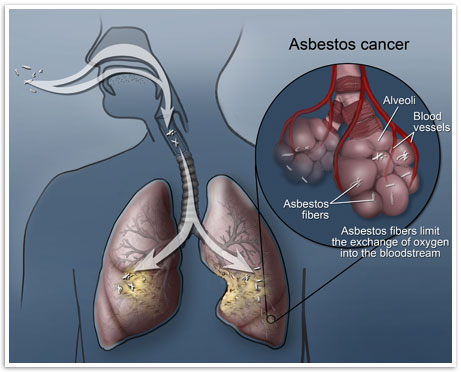
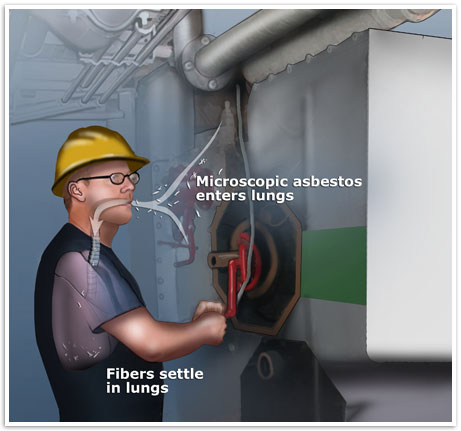
Mesothelioma is a cancer that occurs in the mesothelium, a thin membrane encompassing the body’s internal organs and cavities. Mesothelioma is caused by asbestos exposure. Asbestos fibers that are inhaled through the mouth and nose may eventually become embedded in the lining of the lungs, causing harmful inflammation of the pleura and resulting in mesothelioma or asbestosis (scar tissue formation in the lungs). It has also been found that swallowing asbestos fibers could contribute to a form of the malignancy originating in the abdomen known as peritoneal mesothelioma.

Mesothelioma generally results from occupational asbestos exposure, but there are instances of environmental exposure that can also cause the disease. Oftentimes a family member can be affected indirectly by second hand exposure from an asbestos worker’s soiled work clothes.

Asbestos was an effective insulation material. It was used liberally in commercial and industrial products in the United States until being regulated in a joint effort between the Consumer Product Safety Commission and the Environmental Protection Agency in 1989. Occupational exposure was common among workers who encountered these products in many industries including shipbuilding, power plants, and other industrial settings.

Asbestos insulation workers appear to have the highest rate of asbestos related disease. One study reports that almost six percent of asbestos workers fall victim to mesothelioma or experience respiratory symptoms. Asbestos insulation workers are over 300 times more likely to be diagnosed with mesothelioma than those with no exposure history.

How does exposure to asbestos cause mesothelioma?

Asbestos fibers are microscopic, though they are also quite durable. For this reason, asbestos was used in a number of different industrial compounds to enhance strength and resistance to temperature extremes- two properties at which the mineral is highly adept. Asbestos exposure most often occurred among individuals who worked extensively with asbestos or asbestos-containing materials. Friable asbestos (meaning loose or airborne fibers) is easily inhaled- often without the exposed person realizing.
Mesothelioma Causes

Pleural mesothelioma is the most common variety of the disease and forms on the pleural membrane, which surrounds the lung and chest cavity. Peritoneal mesothelioma is less common and forms on the surface of the peritoneum, a thin membrane surrounding the abdominal cavity. Pericardial mesothelioma is the least common variety of the disease and forms in the cardiac cavity that envelops the heart, a mesothelial membrane known as the pericardium.

Inhaled asbestos fibers are known to be the cause of pleural mesothelioma, whereas ingested asbestos fibers are the cause of peritoneal mesothelioma. While the exact causal nature between asbestos and pericardial mesothelioma is not known, physicians and cancer researchers surmise asbestos fibers in the blood stream lodge in the outer layers of the heart’s ventricles and lodge in the pericardium. Once asbestos fibers reach the surface of the peritoneum or pericardium, the inflammation process is essentially the same as it is on the surface of the pleura.

Primary workplace exposure to the mineral was common in naval shipyards, power plants, railroad infrastructure, and other industrial jobsites. However, asbestos-related mesotheliomas have also been diagnosed in spouses or children of those exposed to asbestos. Workers often brought home dangerous asbestos fibers on their clothing, hair, or person. Those who came into contact with these fibers on the person or their clothing have developed mesothelioma as a result.

Other Contributing Factors

Mesothelioma is also causally associated with a few other factors, but many of these are attributed to the development of mesothelioma in conjunction with exposure to asbestos.

Smoking

Those who smoke are at a higher risk of mesothelioma, though smoking is more commonly associated with traditional lung carcinomas. Smoking tends to enhance risk even further in those who were also exposed to asbestos.

Radiation Exposure

While extremely rare, some mesothelioma patients attribute their diagnosis to exposure to radiation rather than exposure to asbestos. Radiation tends to transform and mutate cell growth patterns and is more commonly associated with brain and blood cancers.

Carbon Nanotubes

Research is extremely preliminary in this study, but some laboratory studies indicate a molecular similarity between asbestos mineral fibers and carbon nanotubes. Tests indicate a pronounced risk of mesothelioma in some laboratory animals implanted with carbon nanotubes.

Smoking Can Causes Mesothelioma

http://www.mesotheliomainfocenter.co.uk/images/smoking.jpgIt has long been known that smoking is hazardous to one's health, causing a marked increase in instances of mesothelioma lung cancer among those who smoke regularly. However, smokers who are or have been exposed to asbestos carry a much higher risk of developing an even more serious disease - malignant mesothelioma, a difficult-to-treat cancer that affects the lining of the lungs (pleural mesothelioma), heart (pericardial mesothelioma), or abdomen (peritoneal mesothelioma).

Exposure to asbestos has been identified as the major cause of mesothelioma cancer. The disease occurs when an individual inhales sharp asbestos fibers, which then become lodged in the lungs. Smoking, according to the Centers for Disease Control, weakens the lungs and decreases a body's ability to remove asbestos fibers. Further, cigarette smoke irritates the air passages and causes them to produce more mucus which, in turn, blocks the passage of air and the dispelling of fibers.

According to a variety of studies that have been performed throughout the last two decades, while cigarette smoking alone does not lead to mesothelioma, cigarette smokers who are exposed to asbestos are about 50 to 84 times more likely to develop asbestos lung cancer and, most experts agree, these smokers are at least twice as likely to develop mesothelioma.

Furthermore, mesothelioma risk factors are higher for those who have already developed a less serious asbestos-related disease, namely asbestosis. Also, the more packs a day that an asbestosis sufferer smokes, the higher the chance for developing this aggressive cancer. Simply stated, those who have asbestosis should stop smoking. A cessation of smoking, according to studies by the National Cancer Institute, results in a 50 percent decrease in the risk for a mesothelioma diagnosis within about five years of quitting, a figure that is encouraging for smokers with early asbestos disease.

Smokers who have been exposed to asbestos and have not quit should submit to regular medical check-ups to determine the health of their lungs. Tests to monitor the formation of asbestos cancer, such as mesothelioma, might include a chest x-ray or a lung function test. In addition, a simple blood test known as the Mesomark® assay, used to detect the presence of mesothelioma, may be in order for smokers who suffered asbestos exposure.

Mesothelioma Cancer: Beware of Asbestos

http://www.mesothelioma.com/images/asbestos-cancer.jpgExposure to asbestos particles is one of the principal causes of mesothelioma cancer, also known as asbestos cancer. As a naturally occurring mineral with useful commercial applications, asbestos is found in plumbing, insulation and other building materials and products.

Through the liberal commercial use of this material, most people in the United States and other industrial nations have been or will be exposed to loose, airborne particles in their work or home environments, this exposure can create significant health hazards.

Commercial Applications

Over 700,000 schools and buildings in the United States today contain asbestos insulation as reported by the US Environmental Protection Agency. Asbestos exposure doesn't stop there, however. Asbestos is often found in ship yards, manufacturing facilities, railway facilities and construction sites. Blue collar workers are at the highest risk for developing mesothelioma due to occupational exposure. They typically work in aluminum plants, oil refineries, chemical plants, mines, factories, shipyards, construction sites and railroads. Employees at insulation and gas mask manufacturing facilities are also at risk. The occupations most widely affected are miners, factory workers, railroad workers, ship builders and construction workers - especially those who install asbestos-containing insulation. Sometimes family members related to the workers receive second hand exposure to asbestos from the dust and fibers that were brought home on the workers clothes and also become at risk for contracting mesothelioma.

There are six different types of asbestos: chrysotile, amosite, crocidolite, tremolite, anthophyllite and actinolite. These six mineral types are divided into two classifications, serpentine and amphibole. Chrysotile is the only mineral in the serpentine class. As known carcinogens both classes of asbestos can cause mesothelioma.

In the United States, chrysotile was the most commonly used asbestos mineral, and is known for its curly fibers that can be easily woven into fabrics. Applications of chrysotile include drywall compound, plaster, vinyl floor tiles, roofing materials, acoustic ceilings, fireproofing, caulk, brake pads and shoes, stage curtains, fire blankets and dental cast linings.

Amosite and crocidolite are the other more common asbestos minerals used, though their application is not as extensive as chrysotile. Products manufactured out of these asbestos minerals include insulation board, ceiling tiles and casing for water services.

In the past ten years, trace amounts of asbestos have been found in talc, a leading ingredient in crayons.

Exposure and Health Risks

The extensive use of asbestos across many different industries exposes not only those individuals working in the manufacturing of raw asbestos or working with asbestos-related products, but also individuals who may have asbestos in their homes, churches or schools. Further, asbestos particles may cling to the clothing or hair of an individual working with asbestos and potentially contaminate others.

Though chrysotile is the most common form of asbestos used in products and is a known carcinogen, amosite and crocidolite asbestos are the most hazardous to health. All types of asbestos can linger in an individual’s lungs for many years after exposure, but amosite and crocidolite are the most persistent, lingering particles.

There is a higher risk for individuals working in asbestos-related environments, though many individuals with minimal exposure can also have damage that can lead to mesothelioma cancer or other diseases.

Although asbestos exposure may have hit its peak from the turn of the twentieth century through the 1970s, many individuals are still being subjected to asbestos particles. Arguably, the most recent and tragic mass exposure resulted from the attacks on 9/11, where tons of asbestos particles were released into the air, harming thousands of rescue workers and individuals living near Ground Zero. Diagnosed with asbestos cancer due to their prolonged, persistent exposure, many brave firefighters, police and rescue workers continue to suffer.

Further, many individuals continue to be exposed to asbestos in older homes. With the boom of Do-It-Yourself projects, many homeowners are tackling renovations without knowing the potential health risks. Attempting renovations in these environments may disturb asbestos causing it to become airborne and inhaled. Without knowledge of where asbestos may be located in these homes, there is a significant risk of accidental exposure, and any homeowner should have professional do a thorough inspection before any projects begin. Removal should always be handled by a professional contractor and should not be attempted by homeowners.

One of the groups hardest hit from asbestos-related diseases are America’s veterans. All branches of the United States military used equipment, gear and products laden with asbestos, unwittingly exposing young men and women between the 1940s and late 1970s. Most veterans repeatedly exposed to asbestos suffer from mesothelioma disease.

For over one hundred years, almost every product that we can come in contact with may have been produced with asbestos components. From decorative household items, to products manufactured to protect firefighters, to dental products, asbestos has been the silent, deadly part of recent American industry.

Asbestos Related Disease

Some research points to the fact that inhaled asbestos fibers cause a physical irritation resulting in mesothelioma rather than the cancer being caused by a reaction that is more chemical in nature. As fibers are inhaled through the mouth and nose they are cleared from the body by adhering to mucus in the nose, throat and airways and then get expelled by coughing or swallowing. The Amphibole fibers (long and thin) do not clear as easily and it is therefore thought that they can embed into the lining of the lungs, chest or stomach causing scarring and inflammation which increases the risk for mesothelioma cancer. Mesothelioma symptoms can be detected as early as ten years after exposure and can incubate as long as forty years.

Asbestosis (scar tissue in the lungs) or mesothelioma lung cancer can also be caused by the inhalation of asbestos fibers. In fact, people exposed to asbestos are seven times more likely to develop lung cancer over the general public. Workers who sustain high levels of asbestos exposure are more likely to die from asbestosis, lung cancer or mesothelioma than any other disease. It is also believed that the action of coughing up and swallowing asbestos could contribute to a form of mesothelioma originating in the abdomen called peritoneal mesothelioma. This disease has been found to exist in other organs of the body as well such as the larynx, pancreas and colon, but those instances are extremely limited compared to lung cancer incidents.

The chance of developing mesothelioma is in direct proportion to the duration and amount of asbestos exposure that an individual sustains. Those who are exposed to high levels of asbestos at a young age, for long periods of time have a greater risk of being diagnosed with mesothelioma than those who have short, low level exposure. Another important consideration is that the mesothelioma latency period is very long. Often, twenty to forty years can elapse from the time of exposure to diagnosis. Genetic factors can also play a role which explains why not everyone exposed to asbestos develops an asbestos related disease.

Risk Factors For Malignant Mesothelioma

Mesothelioma Risk Factors
There are several risk factors that increase the likelihood that a person will develop mesothelioma. The primary risk factor is asbestos exposure. Exposure to this very harmful substance can significantly enhance the chances of contracting the disease. Smoking does not have a direct causal relationship with mesothelioma but is a significant compounding factor and increases the chances of developing the disease. Other less common secondary factors include exposure to radiation, zeolite, simian virus 40 (SV40) and erionite. We discuss each of these risk factors in more detail below. Please click on the links to learn more about each mesothelioma risk factor.

Exposure to Asbestos

Exposure to asbestos is the leading risk factor associated with mesothelioma. Asbestos is an insulating material comprised of magnesium-silicate mineral fibers. It was favored by builders and contractors for many years for its low heat conductivity and resistance to melting and burning. Since researchers have identified more and more links between mesothelioma and exposure to asbestos, the material is now less widely used. Prior to this discovery, however, millions of Americans have experienced serious exposure to this harmful substance.

Smoking and Mesothelioma

Smoking alone is not linked to mesothelioma, but smokers who are exposed to asbestos have a much higher chance of developing asbestos lung cancer (as much as fifty to ninety percent higher) and as much as double the risk of developing mesothelioma.

Less Common Mesothelioma Risk Factors

Radiation

Thorium dioxide (Thorotrast), a substance used in x-ray tests in the past has reported links to pleural mesothelioma and peritoneal mesothelioma. The use of Thorotrast has been discontinued for many years due to this discovery.

Zeolite

Some mesothelioma cases in the Anatoli region within Turkey have been linked to Zeolite, a silica based mineral with chemical properties similar to asbestos found in the soil there.

Simian Virus 40 (SV40)

Some scientists have found the simian virus 40 (SV30) in mesothelioma cells from humans and have been able to create mesothelioma in animals with the virus. The relationship between this virus and mesothelioma is still unclear, however, and further research is being conducted to gain clarity on this potential link.

Erionite Exposure

Erionite is a naturally occurring mineral that possesses properties that are very similar to those of asbestos. There have been several documented cases of mesothelioma in indivuduals living near large erionite deposits.

Carbon Nanotubes

Researchers continue to evaluate nanotube exposure as a possible risk factor for mesothelioma even though scientists have not expressed immediate concern.

Malignant Mesothelioma

Malignant mesothelioma is the most serious of all asbestos-related diseases. The primary cause and risk factor for mesothelioma is exposure to asbestos.

Making a correct mesothelioma diagnosis is particularly difficult for doctors because the disease often presents with symptoms that mimic other common ailments. There is no known cure for mesothelioma, but treatments such as surgery and chemotherapy have helped to improve the typical mesothelioma prognosis.

Pleural mesothelioma (affecting the lung’s protective lining in the chest cavity) represents about three quarters of all mesothelioma incidence. Peritoneal mesothelioma, which affects the abdominal cavity, and pericardial mesothelioma, which affects the cardiac cavity, comprise the remainder.
There are three recognized mesothelioma cell-types. Between 50 and 70% of all mesotheliomas are of the epithelial variety. While prognosis is generally poor, it is considered less aggressive than sarcomatoid mesothelioma and biphasic mesothelioma, which comprise the remainder of cell type diagnoses.

The cavities within the body encompassing the chest, abdomen, and heart are surround by a membrane of cells known as the mesothelium. Mesothelial cells assist in general organ functions. The mesothelium is particularly important to organs that are commonly in motion, such as expansion or contraction of the lungs, stomach, or heart. Lubrication from the mesothelial cells allows free range of motion within the body. The mesothelium of the chest, abdomen, and cardiac cavity are called the pleura, the peritoneum, and the pericardium, respectively. Each of these groupings of mesothelial cells is extremely critical to the functions of the body structures which they encompass.

Malignancies (cancerous tumors) occurring within the mesothelial membranes are known as malignant mesothelioma, or simply mesothelioma. Benign tumors of the mesothelium are known to occur, but are much more rare than malignant mesothelial tumors.

While tumors of the mesothelium were first recognized in the late 18th century, it was not until the middle of the 20th century that this particular cancer was studied and examined with more detail. It was at this time when suspicions of the cancer’s causal relationship with asbestos exposure became more substantiated. A joint research venture through the Department of Thoracic Surgery at the University of the Witswater and Johannesburg General Hospital in South Africa provided the most compelling evidence of the nexus between asbestos exposure and the development of pleural mesothelioma.

Incidence of mesothelioma is still quite rare, with only 2,500-3000 diagnoses in the United States each year. There was a spike in reported diagnoses between 1970 and 1984, which has been attributed to the latency period between diagnosis and the height of industrial exposures, which occurred roughly 40-60 years prior to this time. Exposure was common in nearly all industries but was particularly common in the WWII-era military industrial cycle, including Navy Shipyards.

Although this cancer is much more common in men over the age of 60 (largely attributed to the industrial exposures within male-dominated industries), mesothelioma in women and children has been described as well. Mesothelioma causes for diagnosis in women and children are mainly attributed to secondary exposure to asbestos, as it was not uncommon for men to bring asbestos back into the home on their body or clothing if proper cleaning facilities were not available on site.

Mesothelioma is diagnosed through a comprehensive combination of biopsy and imaging scans.

Mesothelioma can be a difficult malignancy to diagnose because the symptoms of the disease closely resemble other respiratory conditions, and because the pathology can be very difficult to distinguish from adenocarcinoma of the lung. For this reason, misdiagnosis is not uncommon in mesothelioma patients. Symptoms of mesothelioma include chest pain, chronic cough, effusions of the chest and abdomen, and the presence of blood in lung fluid.

Diagnostic surgeries, including a biopsy, will typically be required to determine the type of malignant cells that are present in the body. Typically a body imaging scan, including a magnetic resonance image (MRI), computer topography (CT scan), and/or positron emission tomography (PET), will be required to determine the extent and location of the disease.

While mesothelioma is typically advanced at diagnosis, treatment options are available.

Mesothelioma, while certainly an aggressive disease, is a manageable malignancy. While there is no cure for the cancer, mesothelioma treatment options may potentially include surgery, chemotherapy, and radiation therapy. A combination of Alimta® and Cisplatin is currently the only FDA approved chemotherapy regimen, though several clinical trials are currently in progress utilizing other drugs including Gemcitabine and Onconase, that may lead to new treatment options that provide a benefit for patients.

Radiation therapy is also utilized, but typically in conjunction with other treatment methods like surgery and chemotherapy. Surgical resection of mesothelioma is possible in early-stage-diagnosed patients. Diagnostic and palliative procedures such as thoracentesis and pleurodesis are also commonly performed in patients with malignant mesothelioma in order to minimize cancer-related symptoms.

Alternative therapies have also been used effectively by many mesothelioma patients to assist in managing symptoms of the disease and conventional treatments.
Mesothelioma is caused by exposure to asbestos.

Mesothelioma is primarily caused by exposure to asbestos, though cases have been documented in children or other individuals with no asbestos history. Asbestos is a microscopic and naturally occurring mineral that lodges in the pleural lining of the lungs and the peritoneal lining of the abdominal cavity. In most cases, several years will pass (up to 60) before mesothelioma develops in those who had been exposed to asbestos.

Treating Menstrual Problems

To determine whether a problem requires treatment, the doctor will ask several questions and do a thorough physical exam. The doctor may do a pelvic exam, blood tests, or urine tests. If there might be a structural problem, an ultrasound or CAT scan may be performed. Together, these tests can help the doctor determine how a condition should be handled.

Growths such as polyps or fibroids can often be removed and endometriosis can often be treated with medications or surgery. If a hormone imbalance is to blame, the doctor may suggest hormone therapy with birth control pills or other hormone-containing medications. Conditions like clotting disorders or thyroid problems may require treatment as well. And for menstrual pain with no underlying medical cause, anti-inflammatory medicines are the most effective treatment.

When to Call the Doctor

Although most period problems aren't cause for alarm, certain symptoms do call for a trip to the doctor. This is particularly true if a girl's normal cycle changes.
So take your daughter to her doctor if she:
  • hasn't started her period by the time she's 15 or her period hasn't become regular after 3 years of menstruating. The most likely cause is a hormone imbalance (which may need treatment), but this also might point to another medical problem.
  • stops getting her period or it becomes irregular after it has been regular. Also let your daughter's doctor know if her cycle is less than 21 days or more than 45 days, or if she doesn't get a period for 3 months at any time after first beginning to menstruate.
  • has heavy or long periods, especially if she gets her period frequently. In some cases, significant blood loss can cause iron-deficiency anemia. Also, heavy bleeding could be a sign of a growth in the uterus, a thyroid condition, an infection, or a blood clotting problem.
  • has very painful periods. Having cramps for a couple of days is normal, but if your daughter isn't able to participate in her normal activities, or has cramps for more than 3 days, let the doctor know. She might have a medical problem, such as endometriosis, causing the pain.

Helping Your Daughter

When your daughter's experiencing a particularly bad bout of PMS or cramps, you can help make her more comfortable. Suggest that she:
  • eat a balanced diet with lots of fresh fruit and vegetables
  • reduce her intake of salt (which can cause water retention) and caffeine (which can make her jumpy and anxious)
  • include foods with calcium, which may reduce the severity of her PMS symptoms
  • try over-the-counter pain relievers like acetaminophen or ibuprofen for cramps, headaches, or back pain
  • take a brisk walk or bike ride to relieve stress and aches
  • soak in a warm bath or put a hot water bottle on her abdomen, which may help her relax
If you notice that your daughter's periods are causing her great discomfort or interfering with her life, talk to her doctor to make sure nothing else is causing the problem and to see if anything can help. Sometimes hormone treatment, often in the form of birth control pills, can help ease many symptoms associated with uncomfortable periods.

But the most important way you can help your daughter feel more at ease about her period is to talk to her and explain that most annoying or uncomfortable conditions that accompany menstruation are normal and may improve over time. And be understanding when she's cranky and unhappy. After all, no one's at her best all the time.

Source: kidshealth

Endometriosis

Endometriosis

In this condition, tissue normally found only in the uterus starts to grow outside the uterus — in the ovaries, fallopian tubes, or other parts of the pelvic cavity. It can cause abnormal bleeding, dysmenorrhea, general pelvic pain, and lower back pain.

Endometriosis is a gynecological medical condition in which cells from the lining of the uterus (endometrium) appear and flourish outside the uterine cavity, most commonly on the peritoneum which lines the abdominal cavity. The uterine cavity is lined with endometrial cells, which are under the influence of female hormones. Endometrial-like cells in areas outside the uterus (endometriosis) are influenced by hormonal changes and respond in a way that is similar to the cells found inside the uterus. Symptoms often worsen with the menstrual cycle.

Endometriosis is typically seen during the reproductive years; it has been estimated that endometriosis occurs in roughly 6–10% of women. Symptoms may depend on the site of active endometriosis. Its main but not universal symptom is pelvic pain in various manifestations. Endometriosis is a common finding in women with infertility.

Signs and symptoms

Pelvic pain

A major symptom of endometriosis is recurring pelvic pain. The pain can range from mild to severe cramping that occurs on both sides of the pelvis, in the lower back and rectal area, and even down the legs. The amount of pain a woman feels correlates poorly with the extent or stage (1 through 4) of endometriosis, with some women having little or no pain despite having extensive endometriosis or endometriosis with scarring, while other women may have severe pain even though they have only a few small areas of endometriosis 

Symptoms of endometriosis-related pain may include:
  • dysmenorrhea – painful, sometimes disabling cramps during menses; pain may get worse over time (progressive pain), also lower back pains linked to the pelvis
  • chronic pelvic pain – typically accompanied by lower back pain or abdominal pain
  • dyspareunia – painful sex
  • dysuria – urinary urgency, frequency, and sometimes painful voiding
Throbbing, gnawing, and dragging pain to the legs are reported more commonly by women with endometriosis. Compared with women with superficial endometriosis, those with deep disease appear to be more likely to report shooting rectal pain and a sense of their insides being pulled down. Individual pain areas and pain intensity appears to be unrelated to the surgical diagnosis, and the area of pain unrelated to area of endometriosis.

Endometriosis lesions react to hormonal stimulation and may "bleed" at the time of menstruation. The blood accumulates locally, causes swelling, and triggers inflammatory responses with the activation of cytokines. This process may cause pain. Pain can also occur from adhesions (internal scar tissue) binding internal organs to each other, causing organ dislocation. Fallopian tubes, ovaries, the uterus, the bowels, and the bladder can be bound together in ways that are painful on a daily basis, not just during menstrual periods.

Also, endometriotic lesions can develop their own nerve supply, thereby creating a direct and two-way interaction between lesions and the central nervous system, potentially producing a variety of individual differences in pain that can, in some women, become independent of the disease itself.


Dysmenorrhea

Dysmenorrhea (Painful Periods)

There are two types of dysmenorrhea, which is painful menstruation that can interfere with a girl's ability to attend school, study, or sleep:
  1. Primary dysmenorrhea is very common in teens and is not caused by a disease or other condition. Instead, the culprit is prostaglandin, the chemical behind cramps. Some prostaglandin can lead to mild cramps. But large amounts of prostaglandin can lead to nausea, vomiting, headaches, backaches, diarrhea, and severe cramps. Fortunately, these symptoms usually only last for a day or two.

  2. Secondary dysmenorrhea is pain caused by some physical condition like polyps or fibroids in the uterus, endometriosis, pelvic inflammatory disease (PID), or adenomyosis (tissue that usually lines the uterus growing into the muscular wall of the uterus).
Having cramps for a day or two each month is common, but if your daughter has symptoms severe enough to keep her from her normal activities, or cramps that last for more than 3 days, discuss it with her doctor.

Menorrhagia

Menorrhagia (Extremely Heavy, Prolonged Periods)

It's normal for a girl's period to be heavier on some days than others. But signs of menorrhagia (excessively heavy or long periods) can include soaking through at least one sanitary napkin (pad) an hour for several hours in a row or periods that last longer than 7 days. Girls with menorrhagia sometimes stay home from school or social functions because they're worried they won't be able to control the bleeding in public.

The most frequent cause of menorrhagia is an imbalance between the levels of estrogen and progesterone in the body, which allows the endometrium (the lining of the uterus) to keep building up. When the endometrium is finally shed during menstruation, the resulting bleeding is particularly heavy.

Because many adolescents have slight hormone imbalances during puberty, menorrhagia isn't uncommon in teens. But in some cases, heavy menstrual bleeding can be caused by problems such as:
  • fibroids (benign growths) or polyps in the uterus
  • thyroid conditions
  • clotting disorders
  • inflammation or infection in the vagina or cervix
If your daughter has heavy periods, or periods that last longer than 7 days, talk to her doctor.

Source: kidshealth
 

Amenorrhea

Amenorrhea (the Absence of Periods)

Girls who haven't started their periods by the time they're 15 years old or 3 years after they've shown the first signs of puberty have primary amenorrhea, which is usually caused by a genetic abnormality, a hormone imbalance, or a problem with the way the reproductive organs developed. Hormone imbalances also can lead to secondary amenorrhea, which is when a girl who had normal periods suddenly stops menstruating for more than 6 months or three of her usual cycles.

Since pregnancy is the most common cause of secondary amenorrhea, it should always be ruled out when a girl skips periods. In addition to hormone imbalances and pregnancy, other things that can cause both primary and secondary amenorrhea include:
  • stress
  • significant weight loss or gain
  • anorexia (amenorrhea can be a sign that a girl is losing too much weight and may have anorexia)
  • stopping birth control pills
  • thyroid conditions
  • ovarian cysts
  • other conditions that can affect hormone levels
Something else that can also cause primary and secondary amenorrhea is excessive exercising (often distance running, ballet, figure skating or gymnastics) combined with a poor diet, which usually results in inappropriate weight loss or failure to gain weight during growth. But this doesn't include the usual gym class or school sports team, even those that practice often. To exercise so much that she delays her period, a girl would have to train vigorously for several hours a day, most days of the week, and not get enough calories, vitamins, and minerals.

Source: kidshealth
 

Premenstrual Syndrome


Everyone knows the teen years can be difficult — for both teens and parents. All those physical changes during puberty can make adolescents feel awkward and unsure of themselves. This is particularly true for girls when it comes to menstruation. For a girl, getting her first period is a physical milestone and a sign of becoming a woman. But it can also be confusing and scary, particularly if she encounters certain problems like irregular periods or premenstrual syndrome (PMS).

Common Menstrual Problems

Most issues teens confront when they start menstruating are completely normal. In fact, many girls and women have had to deal with one or more of them at one time or another:

Premenstrual Syndrome (PMS)

PMS includes both physical and emotional symptoms that many females get right before their periods, such as:
  • acne
  • bloating
  • fatigue
  • backaches
  • sore breasts
  • headaches
  • constipation
  • diarrhea
  • food cravings
  • depression or feeling blue
  • irritability
  • difficulty concentrating
  • difficulty handling stress
  • feeling tense or anxious
Different girls may have some or all of these symptoms in varying combinations. PMS is usually at its worst during the 7 days before the period starts and disappears soon after it begins. But girls usually don't develop symptoms associated with PMS until several years after menstruation starts — if ever.bAlthough the exact cause of PMS is unknown, it seems to occur because of changing hormone levels in the body, and changing chemical levels in the brain. During the second half of the menstrual cycle, the amount of progesterone in the body increases. Then, about 7 days before the period starts, levels of both progesterone and estrogen start to drop.

Some girls' bodies seem to be more sensitive to these hormone changes than others. Talk to your daughter's doctor if her symptoms are severe or interfere with her normal activities.

Other Conditions

Cramps

Many girls experience abdominal cramps during the first few days of their periods. They're caused by prostaglandin, a chemical in the body that makes the smooth muscle in the uterus contract. These involuntary contractions can be either dull or sharp and intense. The good news is that cramps usually only last a few days. But call your daughter's doctor if she has severe cramps that keep her home from school or from doing stuff with her friends. Also let the doctor know if the cramps do not improve with over-the-counter ibuprofen.

Irregular Periods

It can take 2 to 3 years from a girl's first period for her body to develop a regular cycle. During that time, the body is essentially adjusting to the influx of hormones unleashed by puberty. And what's "regular" varies from person to person. The typical cycle of an adult female is 28 days, although some are as short as 21 days and others are as long as 35. Changing hormone levels might make a girl's period last a short time during one month (just a few days) and a long time the next (up to a week). She may skip months, get two periods almost right after each other, or alternate between heavy and light bleeding from one month to another.

But any girl who's sexually active and skips a period should see a doctor to make sure she's not pregnant. And if your daughter's period still hasn't settled into a relatively predictable pattern after 3 years, or if she has four or five regular periods and then skips her period or becomes irregular, make an appointment with her doctor to check for possible problems. Also let your daughter's doctor know if her cycle is less than 21 days or more than 45 days, or if she doesn't get a period for 3 months at any time after first beginning to menstruate.

Delayed Menarche

Girls go through puberty at different rates. Some reach menarche (the medical term for the first period or the beginning of menstruation) as early as 9 or 10 years old and others don't have their first periods until they're well into their teen years. So, if your daughter is a "late bloomer," it doesn't necessarily mean there's something wrong with her. When girls get their periods actually depends a lot on genetics. Girls often start menstruating at approximately the same age their mothers or grandmothers did. Also, certain ethnic groups, on average, go through puberty earlier than others. For instance, African-American girls, on average, start puberty and get their periods before Caucasian girls do. Let your daughter's doctor know if she hasn't gotten her period by age 15, or by 3 years after starting puberty.

Source: kidshealth
 

Body Piercing

What Is a Body Piercing and What Can You Expect?

A body piercing is exactly that — a piercing or puncture made in your body by a needle. After that, a piece of jewelry is inserted into the puncture. The most popular pierced body parts seem to be the ears, the nostrils, and the belly button. If the person performing the piercing provides a safe, clean, and professional environment, this is what you should expect from getting a body part pierced:
  • The area you've chosen to be pierced (except for the tongue) is cleaned with a germicidal soap (a soap that kills disease-causing bacteria and microorganisms).
  • Your skin is then punctured with a very sharp, clean needle.
  • The piece of jewelry, which has already been sterilized, is attached to the area.
  • The person performing the piercing disposes of the needle in a special container so that there is no risk of the needle or blood touching someone else.
  • The pierced area is cleaned.
  • The person performing the piercing checks and adjusts the jewelry.
  • The person performing the piercing gives you instructions on how to make sure your new piercing heals correctly and what to do if there is a problem.

Before You Pierce That Part

If you're thinking about getting pierced, do your research first. If you're under 18, some places won't allow you to get a piercing without a parent's consent. It's a good idea to find out what risks are involved and how best to protect yourself from infections and other complications. Certain sites on the body can cause more problems than others — infection is a common complication of mouth and nose piercings because of the millions of bacteria that live in those areas. Tongue piercings can damage teeth over time. And tongue, cheek, and lip piercings can cause gum problems.

Studies have shown that people with certain types of heart disease might have a higher risk of developing a heart infection after body piercing. If you have a medical problem such as allergies, diabetes, skin disorders, a condition that affects your immune system, or infections — or if you are pregnant — ask your doctor if there are any special concerns you should have or precautions you should take beforehand. Also, it's not a good idea to get a body piercing if you're prone to getting keloids (an overgrowth of scar tissue in the area of the wound).

If you decide to get a body piercing:
  • Make sure you're up to date with your immunizations (especially hepatitis B and tetanus).
  • Plan where you will get medical care if your piercing becomes infected (signs of infection include excessive redness/tenderness around the piercing site, prolonged bleeding, pus, and change in your skin color around the piercing area).
Also, if you plan to get a tongue or mouth piercing, make sure your teeth and gums are healthy.

Chemotherapy

Numerous medical advances have helped health care professionals manage, lessen, and prevent certain side effects of cancer treatments. But parents whose kids need chemotherapy — one of the most common treatments for childhood cancer — often have many questions and concerns about it.

About Chemotherapy

Chemotherapy (often just called "chemo") refers to medications that kill actively dividing cells. Unlike healthy cells, cancer cells reproduce continuously because they don't respond to the normal signals that control cell growth. Chemotherapy works by disrupting cell division and killing these actively dividing cancer cells. In contrast to radiation therapy, which destroys the cancerous cells of a tumor in a specific area of the body, chemotherapy works to treat cancer throughout the body.
If your child has been diagnosed with cancer, doctors will likely develop a customized treatment plan that takes into account your child's age, the type of cancer, and where it's located. A pediatric oncologist (a doctor who specializes in the treatment of childhood cancer) will work with other health care professionals to determine the chemotherapy regimen that's best for your child.

How Chemotherapy Is Given

Just as other medicines can be taken in various forms, there are several ways to get chemotherapy. In most cases, it's given intravenously into a vein, also referred to as an IV. An IV is a tiny tube inserted into a vein through the skin, usually in the arm. The IV is attached to a bag that holds the medicine. The chemo medicine flows from the bag into the vein, which puts the medicine into the bloodstream. Once the medicine is in the blood, it can travel through the body and attack cancer cells.

Sometimes, a permanent IV called a catheter is placed under the skin into a larger blood vessel of the upper chest. That way, a child can get chemotherapy and other medicines through the catheter without having to always use a vein in the arm. The catheter remains under the skin until all the cancer treatment is completed. It can also be used to obtain blood samples and for other treatments, such as blood transfusions, without repeated needle sticks.

Chemo also can be:
  • taken as a pill, capsule, or liquid that is swallowed
  • given by injection into a muscle or the skin
  • injected into spinal fluid through a needle inserted into a fluid-filled space in the lower spine (below the spinal cord)
Chemotherapy is sometimes used along with other cancer treatments, such as radiation therapy, surgery, or biological therapy (the use of substances to boost the body's immune system while fighting cancer).
Lots of kids and teens receive combination therapy, which is the use of two or more cancer-fighting drugs. In many cases, combination therapy lessens the chance that a child's cancer will become resistant to one type of drug — and improves the chances that the cancer will be cured.

When and Where Chemotherapy Is Given

Depending on the method used to administer chemotherapy, it may be given at a hospital, cancer treatment center, doctor's office, or at home. Many kids receive chemotherapy on an outpatient basis at a clinic or hospital. Others may need to be hospitalized to monitor or treat side effects.
Kids may receive chemotherapy every day, every week, or every month. Doctors sometimes use the term "cycles" to describe a child's chemotherapy because the treatment periods are interspersed with periods of rest so the child can recover and regain strength.

Common Side Effects of Chemotherapy

Although chemo often effectively damages or eliminates cancer cells, it also can damage normal, healthy cells. And this can lead to some uncomfortable side effects. Chemotherapy side effects are different for each child. The type of anticancer drug used, the dosage, and a child's general health affect the risk of developing unpleasant side effects. The good news is that most side effects are temporary — as the body's normal cells recover, the side effects gradually go away.

Cancer treatment is multifaceted — that is, patients receive a lot of care (i.e., fluid and nutrition support, transfusion support, physical therapy, and medicines) to help them tolerate the treatments and treat or prevent side effects such as nausea and vomiting. It's difficult to pinpoint which side effects a child might experience, how long they'll last, and when they'll end. Talk to your doctor if your child has side effects about how to cope with them.

Fatigue

Fatigue is the most common side effect of chemotherapy. Kids may need to reduce or eliminate all but the most essential activities during chemo, and may feel very tired even after sleeping and resting. Fatigue may last for days, weeks, or months, but it does go away once treatment is over. Encourage your child to rest and sleep as often as possible — even if it doesn't immediately result in more energy — because rest helps the body recover from chemo. Short naps or breaks from activity may be more beneficial than longer ones.

Explaining Long-Term Illness to a Child

Taking care of a chronically ill child is one of the most draining and difficult tasks a parent can face. Beyond handling physical challenges and medical needs, you'll have to deal with the emotional needs your child may have and the emotional impact that the prolonged illness can have on the entire family. Luckily, this tough balancing act doesn't have to be done alone: support groups, social workers, and family friends often can lend a helping hand.

Explaining Long-Term Illness to a Child

Honest communication is crucial to helping a child adjust to a serious medical condition. It's important for a child to know that he or she is sick and will be getting lots of care. The hospital and the medicine may feel frightening, but they're part of helping your child feel better. As you explain the illness and its treatment, give clear and honest answers to all questions in a way your child can understand. It's also important to accurately explain and prepare your child for any treatments — and possible discomfort that might go with along with those treatments.

Avoid saying "This won't hurt" if the procedure is likely to be painful. Instead, be honest if a procedure may cause some discomfort, pain, pressure, or stinging, but then reassure your child that it will be temporary and that you'll be there to offer support while or after it's done. Many hospitals give parents the option to speak to their child about a long-term diagnosis alone, or with the doctor or the entire medical team (doctors, social workers, nurses, etc.) present. Your doctor or other medical professional probably can offer advice on how to talk to your child about the illness.

Tackling Tough Emotions

Your child will have many feelings about the changes affecting his or her body, and should be encouraged and given opportunities to express any feelings, concerns, and fears. Ask what your child is experiencing and listen to the answers before bringing up your own feelings or explanations. This kind of communication doesn't always have to be verbal. Music, drawing, or writing can often help kids living with a life-threatening disease express their emotions and escape through a fantasy world of their own design.

Kids may also need reminders that they're not responsible for the illness. It's common for them to fear that they brought their sickness on by something they thought, said, or did. Reassure your child that this is not the case, and explain in simple terms what caused the illness. (You may also want to reassure your other kids that nothing they said or did caused their sibling's illness.) For many questions, there won't be easy answers. And you can't always promise that everything is going to be fine. But you can help your child feel better by listening, saying it's OK and completely understandable to have those feelings, and explaining that you and your family will make him or her as comfortable as possible.

If a child asks "why me?" it's OK to offer an honest "I don't know." Explain that even though no one knows why the illness occurred, the doctors do have treatments for it (if that's the case). If your child says "it's not fair that I'm sick," acknowledge that your child is right. It's important for kids to know it's OK to feel angry about the illness. Your child may ask "am I going to die?" How you answer will depend on your child's age and maturity level. It's important to know, if possible, what specific fears or concerns your child has and to address them specifically. If it is reassuring to your child, you may refer to your religious, spiritual, and cultural beliefs about death. You might want to stay away from euphemisms for death such as "going to sleep." Saying that may cause children to fear going to sleep. Regardless of their age, it's important for kids to know that there are people who love them and will be there for them, and that they'll be kept comfortable.

Just like any adult, a child will need time to adjust to the diagnosis and the physical changes and is likely to feel sad, depressed, angry, afraid, or even to deny that they are sick. Think about getting professional counseling if you see signs that these feelings are interfering with daily function, or your child seems withdrawn, depressed, and shows radical changes in eating and sleeping habits unrelated to the physical illness.

Camps for Kids With Special Needs

Ah, summer camp. The mosquitoes, the swim races, the friendships, the bug juice, the postcards home. What child wouldn't benefit from the fun and structured freedom camps provide? Kids with special needs are no exception. But the idea can seem challenging to parents and kids alike — how can you be sure that your child will get the attention he or she needs? Will your child be able to participate fully? What about the other kids? Will your child make friends? Will they understand your child's special needs?

The good news is that there are many camp choices for kids with special needs. From highly specialized camps to regular camps that accommodate kids with special needs, options abound.

Different Types of Camps

When it comes to camps, kids with special needs have as many choices as other kids. The Americans with Disabilities Act (ADA) requires all camps to make reasonable accommodations (such as the installation of wheelchair-accessible ramps) so that kids with special needs can attend. So, camps that previously couldn't host kids with special needs might now be on your list of possibilities. Inclusionary (or mainstream) camps do just what their name implies: They include kids with special needs in their groups of children with regular needs. These camps may have started out serving only a general population of kids, but they've gradually changed as the needs of the families they serve have changed.

Some camps are designed just for kids with special needs, including kids who have learning or behavioral problems, those with specific chronic illnesses, and kids with mental or physical impairments. Many accept kids with a variety of needs, but some only accept kids with specific problems (such as camps for kids with diabetes, cancer, speech or hearing impairment, cystic fibrosis, cerebral palsy, epilepsy, etc.). Within all of these categories, you'll have even more choices to consider regarding length of stay, philosophy, and cost. There are nonprofit and for-profit camps, religious camps, camps run by national organizations, private camps, day camps, camps that run weekend sessions, and sleepover camps that accept kids for the entire summer.

Benefits of Camp

The benefits of camp for kids with special needs are often the same as for any child:
  • increased confidence and independence
  • activity and exercise
  • the opportunity to interact with other kids, develop friendships, and build relationships
  • positive role modeling by adults
  • a chance for parents to have a much-needed break

Independence is an important camp benefit. For example, an overnight mainstream camp can give special-needs kids the chance to be without parents, doctors, or physical therapists for a week. They'll do more things for themselves and learn how to ask friends to help, which can boost problem-solving and communication skills. Also, camp provides the physical benefits of increased activity. Many kids with disabilities or chronic illnesses are sedentary and don't get to participate in the sports or recreational activities that their peers do. They therefore miss out on the social and health benefits that exercise brings.

Camp provides a variety of activities such as swimming, wheelchair racing, dancing, tennis, or golf. These give immediate health benefits (such as improved cardiovascular fitness) and recreational options that can carry over into adult life. Many camps combine learning environments with these physical activities, giving kids with behavioral or learning problems the chance to develop, or catch up on, needed skills during the summer.

Starting Your Camp Search

To find a camp, make lists of the basics you're looking for: a list of goals, a list of caretaking priorities, and a list of other considerations (such as cost). Then consider which type of camp might best suit your child:
  • inclusionary (or mainstream) camps
  • camps for kids with a specific special need
  • camps for kids with many different kinds of special needs
Consider whether your child has ever been away from home, for the weekend or even longer, and what experiences might have helped prepare him or her for camp. This will help you to decide not only the type of camp, but whether your child is ready for a day camp or a sleepover (residential) camp. Involving kids in the camp search will help to ensure that they get the most out of the camp selected. So, ask your child:
  • What do you want to get out of summer camp?
  • What are your preferences?
  • Do you want to go to a coed camp, or just be around kids of the same gender?
  • Are there any activities you really want to try?
  • Would you be more comfortable going to a camp with kids who do or don't have special needs?
  • Are you comfortable being away from home? If so, for how long?
  • Do you have classmates or friends who have gone to a summer camp? If so, which ones? And did they like it?
If it turns out that the idea of camp is a bit overwhelming for both you and your child, you might want to try starting small, like weekend sessions at a special-needs camp.

Birth Defect

Like most expectant parents, you probably alternate between fantasies about a healthy baby and worries that your baby will have a health problem. Or perhaps you've been told through prenatal screening that your baby might be born with a birth defect. Many parents assume that all birth defects are severe or even fatal, but the fact is that many are treatable, often immediately after birth — and sometimes even before the baby is born.

It's especially important to know the risk factors involved and how to prevent birth defects. However, it's also important to realize that most babies born with congenital defects are born to two healthy parents.

About Birth Defects

Birth defects are defined as abnormalities of structure, function, or body metabolism that are present at birth. Major birth defects are abnormalities that lead to developmental or physical disabilities or require medical or surgical treatment. There are more than 4,000 different known birth defects, ranging from minor to serious, and although many can be treated or cured, they're the leading cause of death in the first year of life.

According to the March of Dimes, about 150,000 babies are born with birth defects each year in the United States. The American College of Obstetricians and Gynecologists (ACOG) says that 3 out of every 100 babies born in the United States have some kind of major birth defect. Birth defects can be caused by genetic, environmental, or unknown factors. For most birth defects, the cause is believed to be an interaction of a number of genetic and environmental factors.

Structural or metabolic defects are those in which a specific body part is missing or formed incorrectly; metabolic birth defects are those in which there is an inborn problem in body chemistry. The most common type of major structural defects are heart defects, which affect 1 in 150 babies in the United States. Other common structural defects include spina bifida, cleft palate, clubfoot, and congenital dislocated hip.

Metabolic defects affect 1 in 3,500 babies and usually involve a missing or incorrectly formed enzyme (a protein necessary for processing chemical substances in the body). Most children with a metabolic birth defect do not have any visible abnormalities, but metabolic defects are usually harmful or can be even fatal. Metabolic defects include Tay-Sachs disease, a fatal disease that affects the central nervous system, and phenylketonuria (PKU), which affects the way the body processes protein.

Defects caused by congenital infections result when a mother gets an infection before or during the pregnancy. Infections that can cause birth defects include rubella (German measles), cytomegalovirus (CMV), syphilis, toxoplasmosis, Venezuelan equine encephalitis, parvovirus, and, rarely, chickenpox. None of these affect 100% of babies whose mothers are infected during pregnancy. If the mother is infected during early pregnancy, rubella carries the highest risk for birth defects (approximately 20%). Because of nearly universal immunization in the United States, rubella is very, very rare and the congenital rubella syndrome is almost never seen. CMV is probably the most common congenital infection and may be associated with intellectual disability (mental retardation) and hearing loss.

Other causes of birth defects include alcohol abuse by the mother. Although a few medications, such as medicines used for epilepsy, are associated with increased risks for certain birth defects, most commonly prescribed drugs are not associated with a significant risk of birth defects.


Balancing Academics and Serious Illness

When your child has a serious or chronic illness, it's hard to think beyond the next treatment. While health is the first priority, education also is important. You'll want to help your child stay on top of schoolwork as much as possible and plan for when he or she can return to school.

Not only does staying connected to school bring academic, cognitive, psychological, and social benefits — it's also your child's legal right. Under federal law, kids with disabilities are entitled to educational support, and your child might qualify for free services under the Individuals with Disabilities Education Act (IDEA).
With a little planning and a lot of communication, you can help your child balance treatment and academics.

Plan Ahead

First, talk to your doctor about how long your child is likely to be away from school and whether the treatment might interfere with concentrating, doing homework, and meeting deadlines. Are there side effects that might have an academic impact? What does your doctor recommend when it comes to attendance, tutoring, or studying?

Then talk to the teachers and school staff, and encourage your child, if well enough, to do the same. It may be necessary to set a reduced schedule or shift due dates for papers and tests. With your help, your son or daughter can work with teachers to help plan the workload. The more notice teachers have, the easier it will be to come up with a flexible solution.

Some kids who spend a lot of time away from school or in the hospital have Individual Education Plans (IEPs). These are customized goals and learning strategies created by the teachers, school psychologists (or other specialists), and counselors. IEPs take a child's individual needs into account. Under the IDEA, kids who qualify for an IEP will receive one at no cost, in addition to receiving free support services (such as a tutor) to help them reach educational milestones. IEPs can be requested by you or anyone on your child's education team.

Seek Out Hospital-Based Support

If your child will be spending long stretches in the hospital, ask a doctor, nurse, or child-life specialist about onsite schooling. Many hospitals provide this service free of charge to their patients. The two most common types of educational support include bedside schooling and classroom schooling. Typically, bedside schooling is for children who are too ill to leave their hospital rooms or have weakened immune systems due to chemotherapy. Other kids who are well enough might be educated individually or in small groups in an onsite hospital classroom.

Licensed teachers who are K-12-certified in a variety of subjects and special education work intensively with students to make sure that they don't fall behind in their studies. To stay on track, hospital-based teachers work closely with teachers from a child's school to maintain curriculum continuity and ease reentry into the classroom when the child is well again. School is scheduled around medical tests and therapies, and always takes a child's medical condition and strength into consideration. Whether your child is being educated at school, in the hospital, or at home, remember that getting better is the main priority. So be realistic about what he or she can handle. Kids may feel an unspoken pressure from parents, teachers, and themselves to continue with schoolwork, and this anxiety could hurt their recovery.

Stay Connected

Maintaining ties with classmates and teachers can help your child maintain a sense of normalcy during this difficult time. Your child might even be able to listen to a lesson or join a class over the computer. Programs nationwide offer free or low-cost laptops for use in the hospital; check with your doctor or medical staff to see if this service is available to you.

In addition to academic isolation, your child may feel cut off socially from friends and classmates. Online social networking sites, email, instant messaging (IM), text messaging, and talking on the phone can help kids stay connected. Also consider encouraging a letter-writing, email, or care package campaign from classmates — you might even set up a collection box at school where they can deposit notes and pictures. Arrange for visits from your child's friends and, if your son or daughter is up to it, take the group out to school plays, sports events, classroom parties, and other social gatherings. Staying connected will make for a smoother transition socially and academically when your child returns to school after treatment. 

Reviewed by: Alycia Taggi